
 What is car clocking?
When a car has been ‘clocked’ it means the mileage has been reset back to a much lower figure. For example, the car had a mileage of 101,235 and it was clocked back to 52,358. It has been estimated that clocking costs the consumer around £100 million a year.
The obvious benefit to reducing a car’s mileage is that it increases the value instantly – and we are not just talking hundreds of pounds, but literally thousands! If a car has its mileage reduced by half, the value of the car could double. So this alone makes it a very attractive venture for scammers and criminals.
So how can you tell if a car has been clocked? Unfortunately there isn’t a guaranteed method of knowing whether a car has been clocked or not, but there are a few things you can look out for.
For example, if a car is showing a mileage of 50,000 but the car looks like it’s been on the road for much longer, then there could be some obvious signs of wear and tear. Here are a few things you can look out for –
- Steering wheel is worn and ripped – may even look really shiny.
- The seats show signs of wear – especially the drivers.
- The carpets in the foot wells are worn, and possibly the mats.
- The rubber on the pedals is also looking old and worn.
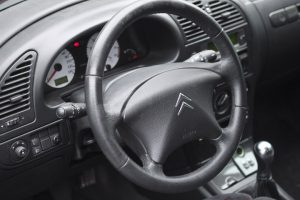
You may also notice that the odometer digits look out of align, however it’s important to note that this could occur naturally and doesn’t mean someone has tampered with it. You could also check over the body and paintwork for any obvious signs of fading or rust.
So if the car has had some serious clocking on the mileage, you may be able to spot the obvious signs of a car that’s seen a lot more of the road than what the odometer indicates!
Buying a car – the questions to ask
There are lots of questions you should be asking when purchasing a used car – whether it’s from a dealer or private. Here are some questions which should give you a better indication of the cars current mileage –
When did you buy the car?
Is there a full service history and can I see the book?
Is there an MOT and can I see it?
Do you have any old MOT’s that I can see (this will help see the mileage timeline)?
Can I see the DVLA registration document?
Who was the previous owner?
Once you’ve asked all of these questions you may still decide to try and contact the previous owner to check the mileage. If you can make a note of the previous keeper’s details from the registration document, you may be able to send them a letter or even phone them to ask what the mileage was when they bought and sold the car.
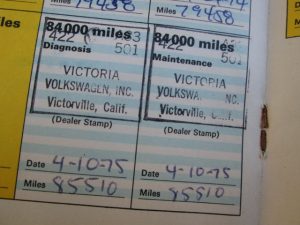
Service history – the mileage should be logged every time it was serviced and the book stamped. Take a look at the mileage for each service and make sure it shows a reasonable increase and there are no obvious discrepancies. It would also be a good idea to make a note of the garages that have carried out the service, and give them a call to double check they exist – just in case the history has been fabricated.
If the current owner is also able to provide you with all of the MOT’s, this is another great way of seeing the mileage every year. You could cross match this with the service history to see that they tally correctly. If you do see anything suspicious, don’t hesitate to ask the owner or dealer questions. Above all else, if you have any doubts whatsoever, then it’s not worth the risk and you should take your business elsewhere.
Which cars are more likely to be clocked?
A car that’s in good condition will be an obvious target for clocking, as it will be much easier to disguise the higher original mileage. Certain makes and models are built extremely well these days, which makes it harder and harder to spot a clocked car. It’s also very easy to repair anything which could give away the true mileage, and spending a few hundred pounds would be nothing in comparison to the thousands gained with a higher valued car.
Conclusion
Even if you are ultra cautious and follow our advice, ask lots of questions, check documents and contact the previous owner and any garages, it’s still possible to buy a car that has had the mileage clocked. However, it’s important to remember that by carrying out all of these checks you are decreasing your chances dramatically, and you are giving yourself the best possible chance of buying a car with a legitimate mileage.